Kasturi Das

Independent journalist & Photographer

This artisanal cheese brand from Dibrugarh is fusing Assam’s iconic chili bhoot jolokia with creamy cheddar

The quaint city on the banks of the Brahmaputra river, Dibrugarh in Assam, is home to some of the oldest and largest tea estates in the country. Now, it is also in the news for experiments with cheese.Queso, the State’s first artisanal small-batch cheese brand, blends European tradition with Assamese flavours. Its bestseller is the Bhoot Jolokia Cheddar, a daring fusion of Assam’s iconic chili with creamy cheddar; the bhoot jolokia adds heat to the tangy and nutty cheddar. Another crowd-favorite...

Darjeeling conservationist Barkha Subba wins Whitley Award 2026

With wetlands shrinking and land use shifting across Darjeeling’s tea-dominated landscape, the survival of the rare Himalayan salamander is becoming increasingly uncertain.Recognising both the urgency of this threat and the promise of community-led solutions, the Whitley Awards 2026 have honoured conservationist Barkha Subba for her efforts to scale up protection of the species and its fragile habitat.Barkha, a Scientific Adviser at the Federation of Societies for Environmental Protection (FOSEP...

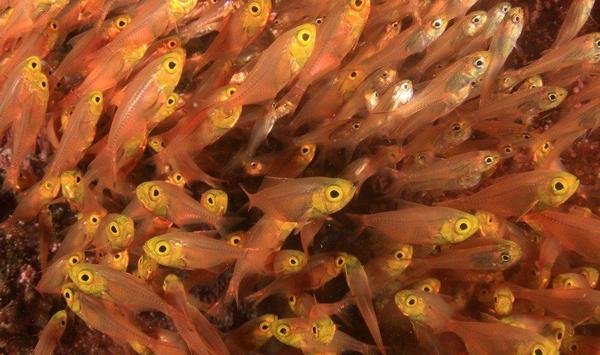
This Fish Glows By Stealing Light From Its Prey – Asian Scientist Magazine

AsianScientist (Apr. 29, 2026)– In the natural world, animals usually rely on their own genes to produce the traits they need to survive. These genes act like instruction manuals, telling the body how to make important molecules, including proteins that perform specific functions.

Researchers from Tohoku University in Japan have now found an exception: the golden sweeper (Parapriacanthus ransonneti), a schooling reef fish. They discovered that the fish can glow in the dark, not by making its own...

That Fresh-Cut Grass Smell? It’s a Plant’s Distress Call – Asian Scientist Magazine

AsianScientist (Apr. 13, 2026)–That fresh, sharp scent released when grass is cut is often associated with calm and nostalgia, but beneath this sensory experience lies a sophisticated biological signal. These compounds, known as green leaf volatiles (GLVs), are released by plants within seconds of being wounded, attacked by herbivores, or exposed to environmental stress.
GLVs are active participants in plant defense. They suppress pathogens, warn neighbouring plants to prepare for attack, and at...

How Fukushima’s Abandoned Pigs Reshaped Wild Boar Genetics – Asian Scientist Magazine

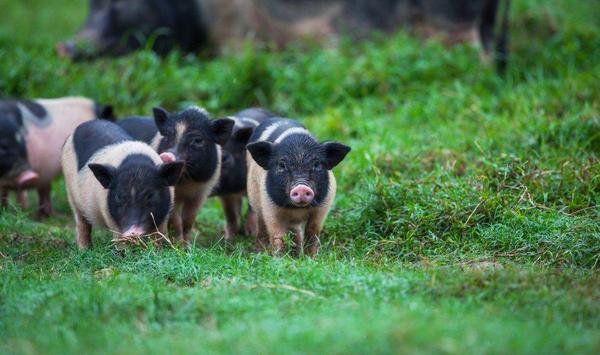
AsianScientist (Mar. 24, 2026)–When the Fukushima Daiichi Nuclear Power Plant accident forced residents to evacuate in 2011, abandoned farmland and forests became an unexpected ecological laboratory. Domestic pigs left behind on farms escaped into the wild, where they encountered and interbred with native wild boar.
Hybridization between domestic animals and wildlife is a growing concern worldwide, particularly as feral pigs and wild boar increasingly overlap. Such hybridization has often been l...

Gut Bacteria Linked to Migraine Severity in Children, Study Finds – Asian Scientist Magazine

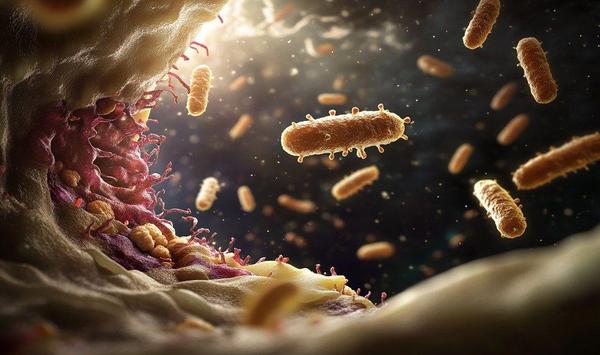
AsianScientist (Mar. 18, 2026) – Differences in gut bacteria may influence how often children experience migraines and how severe their headaches become, according to a new study. Researchers found that children with migraines had lower levels of certain beneficial microbes in their gut, and early tests suggest that restoring these bacteria could help reduce headache frequency and intensity.
For many children, migraine is more than just a headache. The recurring pain can disrupt school, limit da...

What wild poop can teach children about ecology [Book review]

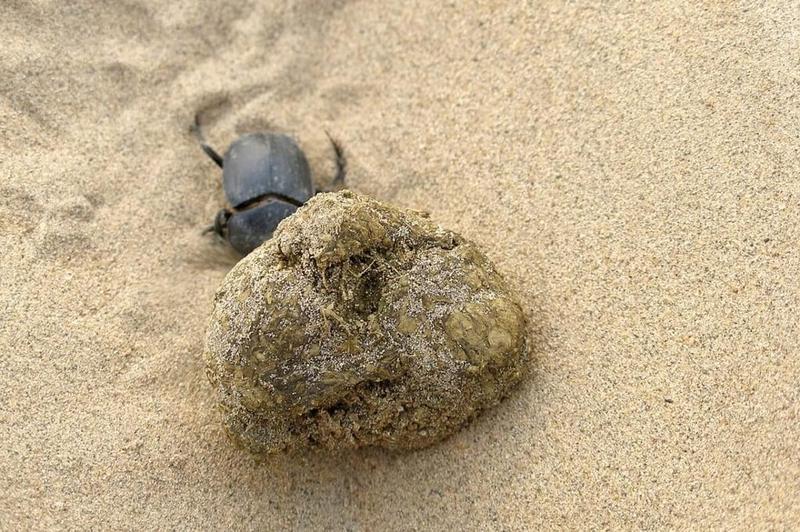
For human beings, the topic of excreta is considered a subject of disgust and embarrassment. The Big Book of Wild Poop, written by Shweta Taneja, sets out to change the narrative of how humans, children in particular, view poop. In the animal world, excreta is not waste but information, food, camouflage and defence, the book says. For a dung beetle or a worm, it is a source of multivitamins. Some spiders disguise themselves with it to escape predators, while hoopoe mothers use it to protect thei...

The Chemistry Behind Civet Coffee’s Distinctive Flavour – Asian Scientist Magazine

AsianScientist (Jan. 18, 2026) – Civet coffee, better known as kopi luwak, is a premium and highly-priced coffees globally, known for its unique aroma, taste, and nutritional value.
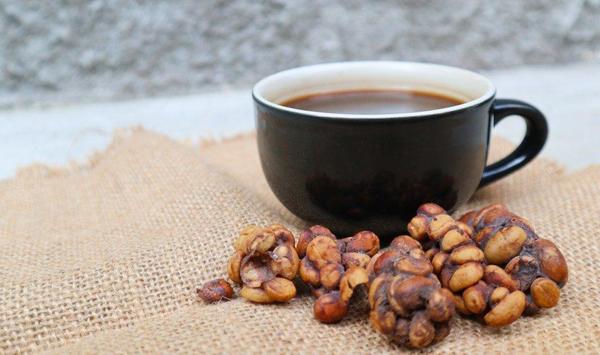
The beans, which can sell for as much as USD 1,000 per kilogram, are harvested from the faecal matter of civets — usually Asian palm civets (Paradoxurus hermaphroditus)  — which eat ripe coffee berries and digest the pulp whilst the beans inside pass through the digestive system.
Although this type of coffee has been...

Rising Pollution Moves Rainfall From Land To Sea In Southeast Asia – Asian Scientist Magazine

AsianScientist (Dec. 24, 2025) – Rising pollution levels are pushing storms away from land and intensifying rainfall over the ocean in Southeast Asia.
Biomass burning, urban pollution, and industrial emissions produce tiny particles called aerosols that can dramatically alter rainfall, cloud formation, and atmospheric stability. Now, a new study conducted by researchers of Pusan National University, Korea, has revealed that aerosols profoundly impact rainfall patterns over the Maritime Continent...

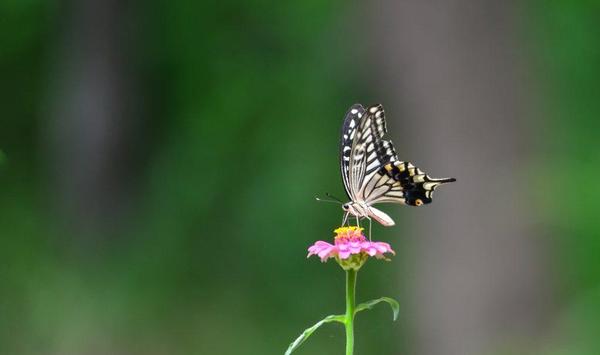
Simple DNA Switch Lets Butterflies Change Wing Spots – Asian Scientist Magazine

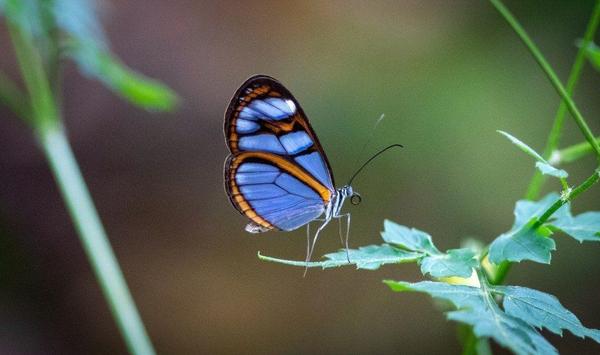
AsianScientist (Dec. 23, 2025) – Scientists in Singapore have discovered a simple genetic mechanism that helps tropical butterflies to change their wing patterns with the seasons. The discovery of this tiny DNA “switch” that responds to temperature, offers fresh insights into how insects evolve the ability to sense and adapt to environmental changes.
Insects often adapt in surprising ways to their surroundings. Some butterflies, for example, change their colours with the seasons. This seasonal f...

This Ancient Spice May Hold The Key to Tomorrow’s Antivirals – Asian Scientist Magazine

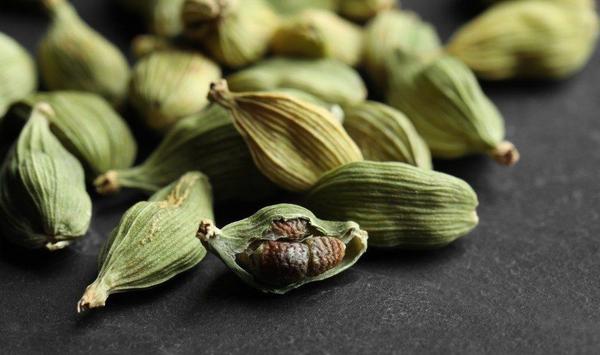
AsianScientist (Nov. 26, 2025) –Long celebrated for its aroma and flavour, cardamom might soon spice up the world of medicine too. Scientists from Japan’s Shinshu University have discovered that cardamom seed extract can trigger the body’s antiviral defenses at a cellular level. Their findings reveal that cardamom seed extract and its main bioactive compound, 1,8-cineole, stimulate the production of antiviral molecules known as type I interferons via nucleic acid ‘sensors’ inside cells, that hel...

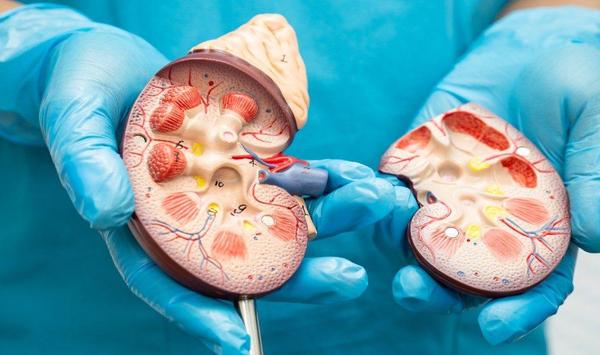
Scientists Grow Ureter Tissue, Edge Closer To Lab-Made Kidneys – Asian Scientist Magazine

AsianScientist (Sep. 29, 2025) – Chronic kidney disease is a global public health problem, affecting about 10 percent of the world’s population. Today, an estimated 2.6 million patients rely on renal replacement therapy, through dialysis or kidney transplantation – a number projected to double by 2030.
To meet this growing need, scientists have turned to regenerative medicine. But building fully functional kidneys in the lab has remained elusive, largely because one crucial part of the urinary s...

Late-Night Dinners And Skipped Breakfasts Linked To Weaker Bones – Asian Scientist Magazine

AsianScientist (Sep. 27, 2025) – Osteoporosis, a skeletal disorder marked by weakened bones and a higher risk of fracture, is typically associated with aging, hormonal changes, and lifestyle factors such as exercise, alcohol consumption and smoking. However, much less is understood about how dietary habits contribute to the risk of osteoporotic fractures.
Now, new research from Japan suggests that everyday eating patterns, such as skipping breakfast or eating late at night, could also raise the...

Fragmented forests and food scarcity threaten capped langurs

The capped langur (Trachypithecus pileatus), a leaf eating primate with a distinctive ‘cap-like’ hairstyle, is the second most commonly seen primate in Assam after the rhesus macaque. Once thriving in the tropical rainforests of the Upper Brahmaputra Valley, the only colobine primate (characterised by their leaf-based diet) in the region, is now in a precarious situation.

The Valley was once covered by a vast lowland tropical rainforest. However, over the years, agricultural expansion, deforest...

Scarred But Unseen: How Childhood Neglect Rewires The Brain – Asian Scientist Magazine

AsianScientist (Sep. 24, 2025) – Affecting three out of four children in substantiated abuse cases worldwide, child neglect occurs when caregivers fail to provide a child with basic necessities such as food, shelter, supervision, or protection. While less visible than physical abuse, neglect can leave deep and lasting imprints on a child’s development, many of which have only recently begun to be scientifically understood.
Child neglect has been linked to impaired social and emotional skills, an...

The hills have AIs

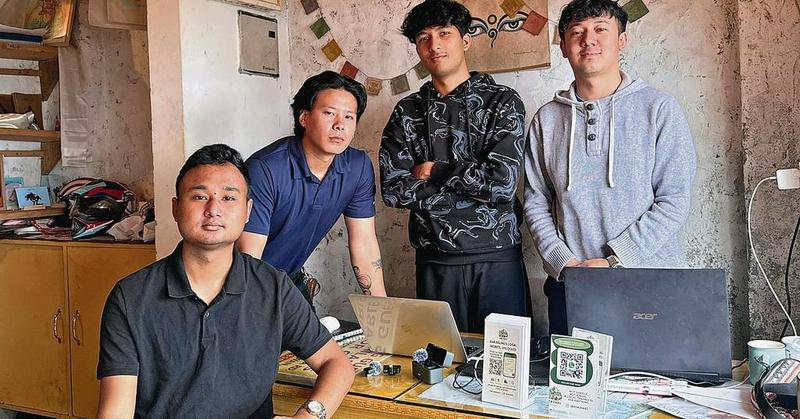
Ever since Tenzee Lhawang Bhutia started a backpackers’ hostel in the heart of Darjeeling three years ago, he has been bombarded with the usual questions by travellers –– where to eat, what to see, where are the hidden spots. Tired of repeating himself, Tenzee decided to build a smart solution instead: Ask Darj, a hyperlocal, AI-powered WhatsApp chatbot designed to act as “a local in your pocket.” “We wanted the chatbot to feel like a local guiding you through the old city. The idea is that when...

Low Blood Sugar Before Pregnancy May Raise Birth Complications – Asian Scientist Magazine

AsianScientist (Sep. 10, 2025) – Blood sugar levels are usually associated with diabetes, but new research shows they can also play a crucial role in pregnancy outcomes. A large-scale study from China has found that women with low blood sugar levels before pregnancy may face a higher risk of complications such as preterm birth and low birth weight.
Glucose, a type of sugar and the body’s primary source of energy, plays a vital role in maintaining health. Both high blood sugar (hyperglycemia), co...

Conflicted over attacks on mithuns, experts gun for hunting ban

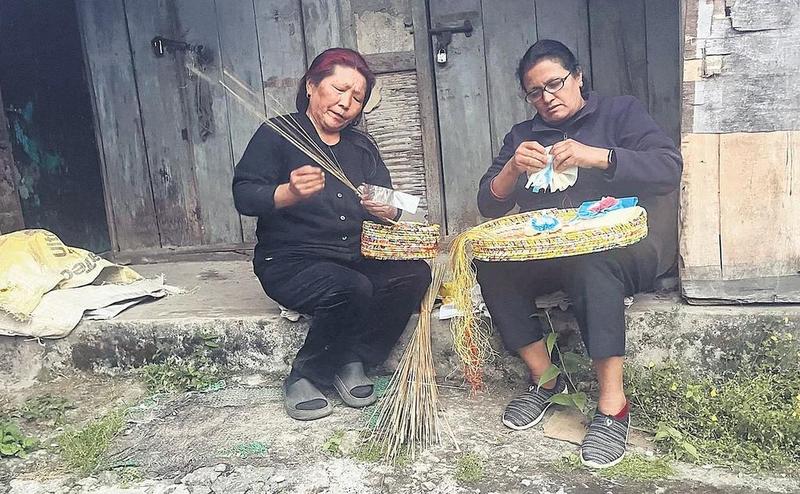
Early this year, when 40-year-old Taum Tamut went looking for his mithuns (Bos frontalis) in the forest surrounding his village Jomlo Mobuk in Siang district of Arunachal Pradesh, he came across a grim sight. One of his mithuns lay dead, its carcass bearing the unmistakable marks of a dhole (Cuon alpinus) attack.

Taum, a member of the Adi tribe and a father of three young children, has around 50 mithuns and earns his livelihood by selling vegetables, broomsticks, and occasionally a mithun or tw...

Regular Opioid Use May Lead To Cognitive Decline – Asian Scientist Magazine

AsianScientist (Aug. 31, 2025) – As people live longer than ever, dementia is emerging as one of the world’s most pressing health challenges. Globally, millions of families already grapple with its devastating impact, and with no cure in sight, scientists are turning their focus toward identifying risk factors that can be managed or prevented.
Among the many suspects, painkillers may not be the first to come to mind. But new research suggests that regular opioid use, which is a common treatment...

India’s Birds in Peril: Citizen Science Uncovers Alarming Decline – Asian Scientist Magazine

AsianScientist (Aug. 29, 2025) – There has been a significant decline in many of India’s bird species, a new study has revealed, highlighting the growing urgency for targeted and sustained conservation efforts.
The State of India’s Birds 2023 report, produced by a consortium of research institutions and conservation organisations, assessed the status of 942 bird species using data contributed by thousands of birdwatchers through the eBird citizen science platform. This report represents one of t...

Japanese Macaques May Mourn Their Loved Ones Like Humans – Asian Scientist Magazine

AsianScientist (Aug. 01, 2025) – The ability to grieve for dying loved ones was long considered a distinctly human trait — an emotional complexity thought to separate us from animals. But new research from Japan is challenging that view.
In a study published in Primates, researchers from The University of Osaka have found that Japanese macaques display remarkably human-like responses to the deaths of their adult companions, offering fresh insights into the emotional lives of non-human primates....

Longitude Prize on ALS Encourages Using AI To Find New Treatments – Asian Scientist Magazine

AsianScientist (Jul. 30, 2025) – A new £7.5 million (~$10 million) Longitude Prize on ALS has been announced to incentivise the use of AI to accelerate therapeutic discovery for the treatment of amyotrophic lateral sclerosis (ALS), the most common form of motor neurone disease (MND).
The challenge, open for entries from June 25, 2025, until December 3, 2025, will initially award 20 teams £100,000 each in early 2026, with one team going on to win £1 million at the end of the five year Prize.
The...

Japan’s Shrinking Population Is Impacting Its Biodiversity – Asian Scientist Magazine

AsianScientist (Jul. 14, 2025) – Japan’s declining population in agricultural regions could be having a damaging impact on biodiversity, a new study suggests.
Researchers from the University of Sheffield, Tokyo City University, and Kindai University, say it is a trend that could spread through East Asia as global fertility rates fall.
“Japan’s biodiversity has long been sustained by traditional rural livelihood practices such as wet rice agriculture, forest and soil management, and the maintenan...

This New AI Method Can Speed Up Cancer Detection – Asian Scientist Magazine

AsianScientist (Jul. 08, 2025) – Scientists in Singapore have developed a new artificial intelligence (AI)-based method called “Fragle” that makes tracking cancer easier and faster using blood tests.
Requiring only a small blood sample, this method analyses the size of DNA fragments in the blood to reveal distinct patterns that differentiate cancer DNA from healthy DNA, helping doctors track cancer treatment response more accurately and frequently.
The research, carried out by scientists at the...
Load More

Contact Me

My inbox is always open, you can contact me with the contact form here